Vini Yoga
Ich geben Yoga mit dem Viniyoga-Ansatz weiter. Viniyoga ist kein besonderer Yoga-Stil, sondern die Kunst, Yoga-Übungen individuell angepasst, kompetent und kreativ anzuleiten. Yoga wird den Bedürfnissen und Möglichkeiten jedes einzelnen Menschen angepasst und ist für alle zugänglich.
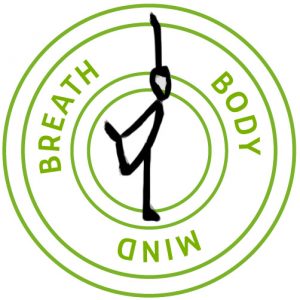
Bei Viniyoga ist es zentral die drei Ebenen des Menschen, Körper, Atem und Geist enger miteinander zu verbinden. Meine Kurse bieten Sequenzen von Körper- und Atem- sowie Meditationsübungen an. In diesen Sequenzen werden jeweils alle drei Ebenen gleichzeitig angesprochen. Der Aufbau folgt Schrittweise, damit ihr leicht und stabil in eurer Tagesform mit üben könnt.
Ziel ist es, mit einem leichten und stabilen Körpergefühl in einer meditativen Konzentration zu üben. Jedes Quartal ist einem spezifischen Thema gewidmet, das auch von philosophischer Natur sein kann.
Der Viniyoga-Ansatz wurde insbesondere in der Yoga-Tradition von T. Krishnamacharya, T.K.V. Desikachar, I. Dalman und M. Soder entwickelt und angewendet, auf die ich meine Yoga-Verständnis stütze. Diese Tradition fasziniert mich u.a. weil sie ermöglicht unabhängig von unserer Verfassung, Yoga zu üben, den Yoga dem Menschen anpasst, Qualität über Form stellt und somit für alle zugänglich ist. Dieser Yoga versteht sich als ein mentales und körperliches Training in dem Atem und Bewegung koordiniert und der Atem verfeinert wird sowie uns selbst gezielt ausrichtet.
Er verfolgt das ursprüngliche Ziel des Yoga: Leiden zu vermeiden und zu verringern sowie frei leben zu können.
Mehr zu diesem Yoga Verständnis unter: http://viniyoga.de/yoga-verständnis-vini
Yoga Nidra
Yoga Nidra ist eine tiefe Entspannung, die auf körperlicher und mentaler Ebene wirkt. Spannungen im Körper und Unterbewusstsein können sich lösen und helfen den Geist optimal und zielgeriechtet zu nutzen, z.B. um alte Muster zu lösen. Der Hauptteil eines Yoga Nidra Kurses wird liegend geübt. Ihr wandert geführt von meiner Stimme durch euren Körper. Mit ein paar Körperübungen (Asana) und einer kurzen Entspannung, bereitet ihr Körper und Geist darauf vor.
Nach dem Yoga Nidra üben, fühlst du dich körperlich entspannt und geistig wach.
Yoga Nidra braucht keine Vorkenntnisse. Es kann von jedem Menschen geübt werden.
Yoga Therapie
Yoga kann andere Therapien begleiten und unterstützen, denn er spricht das System Mensch
gesamtheitlich an.
Mehr dazu: http://viniyoga.de/yogatherapie-kurz
Hintergrundinformationen zum Thema Yoga
Wie wirkt Yoga?
Ein fundierter Artikel über die Wirkung von Yoga aus der Zeitschrift Viveka von Dr. Imogen Dalmann und Martin Soder.
Zitat der Autoren:
“ Wer nach der Wirkweise von Yoga fragt, begegnet auch heute noch oft mechanistischen, pseudowissenschaftlichen und in einem mittelalterlichem Denken verhaftete Vorstellungen, die in keiner Weise unserem heutigen Wissen von der Komplexität, Individualität und Anpassungsfähigkeit des menschlichen Körpers und Geistes.
- Noch immer lesen wir, dass der Kopfstand die Hirndurchblutung anregt und der Herzinfarkt ein Problem des Herzcakras sei.
- Noch immer üben Menschen den Schulterstand, weil ihnen versichert wird, sie könnten damit ihre Schilddrüse beeinflussen.
- Noch immer wird glauben gemacht, es gäbe seriöse Untersuchungen, die die Heilkraft eines einzelnen Āsana beweisen.
Was es statt dessen braucht, ist einen offenen, redlichen und nachvollziehbaren Umgang mit der Beschreibung von Yogawirkungen. Davon handelt dieser Artikel.“
Woher speisen sich positive Emotionen in der Vorstellung des Yoga?
“ … positiv zu sein und danach zu streben, positiv zu werden, ist nicht einfach. Es verlangt, dass wir auf andere in einer wohlwollend Weise schauen, was wir normalerweise nicht gewohnt sind. Warum lesen wir in den Zeitungen so vieles über Skandale, wer wen betrogen hat und so weiter? Menschen sehen gern das Negative bei anderen. Die Falle, in die wir oft tappen, besteht darin: Wir bemerken nicht, dass wir selbst nur dann positive Gefühle in uns entwickeln können, wenn wir auch das Positive in den anderen sehen. …“
Zitat von TKV Desikachar (1938-2016) aus einem Interview mit Imogen Dalmann und Martin Soder, veröffentlicht 1999 in Viveka Heft 16.